
Trees and Woodlands
A Landscape Shaped by Trees
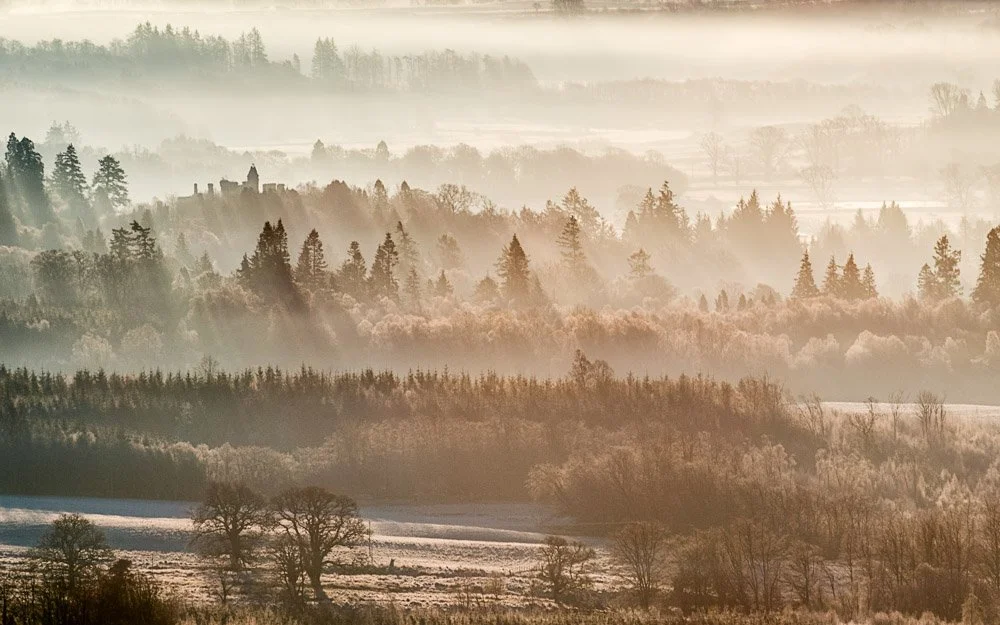
Woodlands are one of the defining features of Montrose Estates. They shape the landscape, provide homes for wildlife, store carbon and produce sustainable timber.
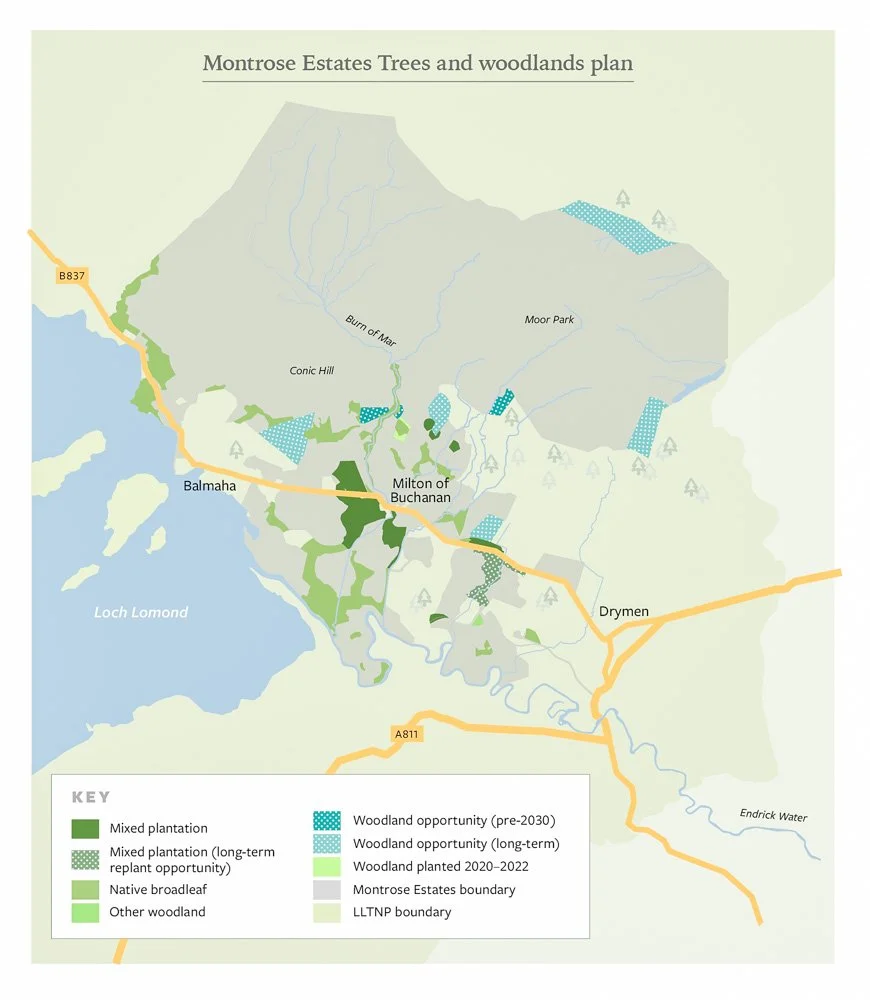
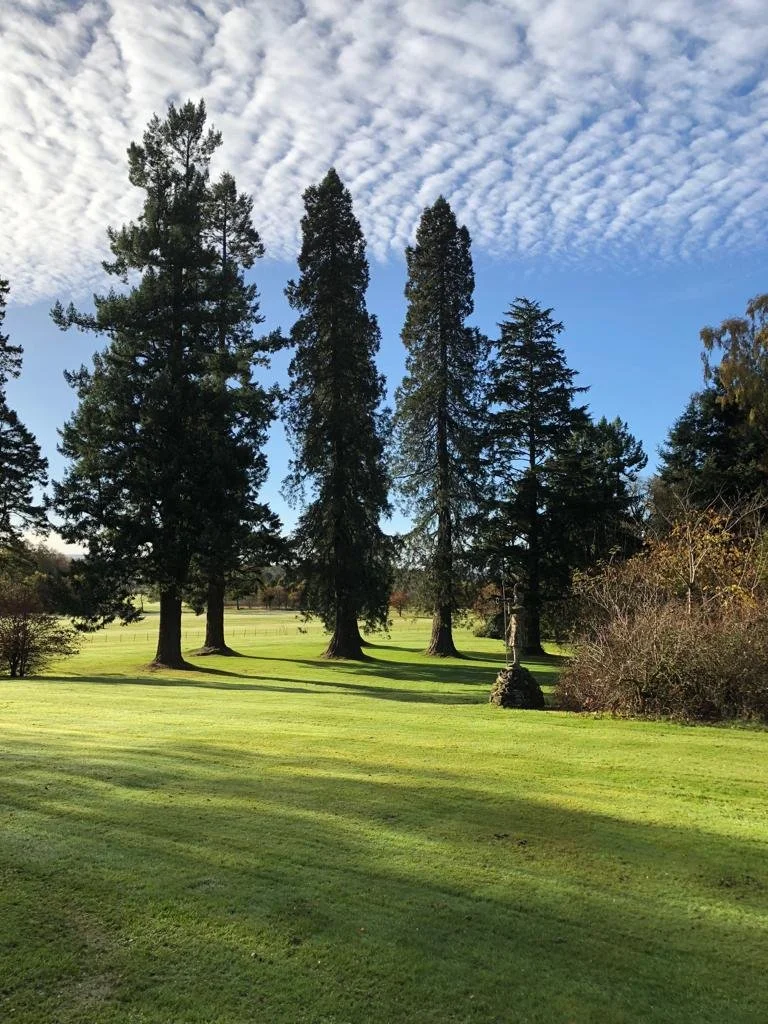
Today, the estate contains more than 240 hectares of woodland, including native Atlantic oakwoods, ancient woodland pasture and productive mixed woodlands managed for timber. There are 166 hectares of broadleaf woodlands and 78 hectares of mixed productive woodlands. The former include remnants of the Atlantic woodlands, also known as ‘Celtic rainforest’. Notable and much-loved amongst the trees on the Estate are the award-winning Milarrochy Oak and the majestic, 200ft-high Coastal Redwoods and Douglas Firs that thrive where Buchanan House once stood by what is now Buchanan Castle Golf Club.
Our Woodland Strategy
Montrose Estates takes a long-term approach to woodland management, focused on expansion, restoration and resilience. With the support of professional foresters, we are developing a Long-term Forest Plan which, once approved by Scottish Forestry, will set out how the Estate will manage its woodlands over the next 20 years. This will include felling, re-stocking and wildlife management.
Native Woodland Creation
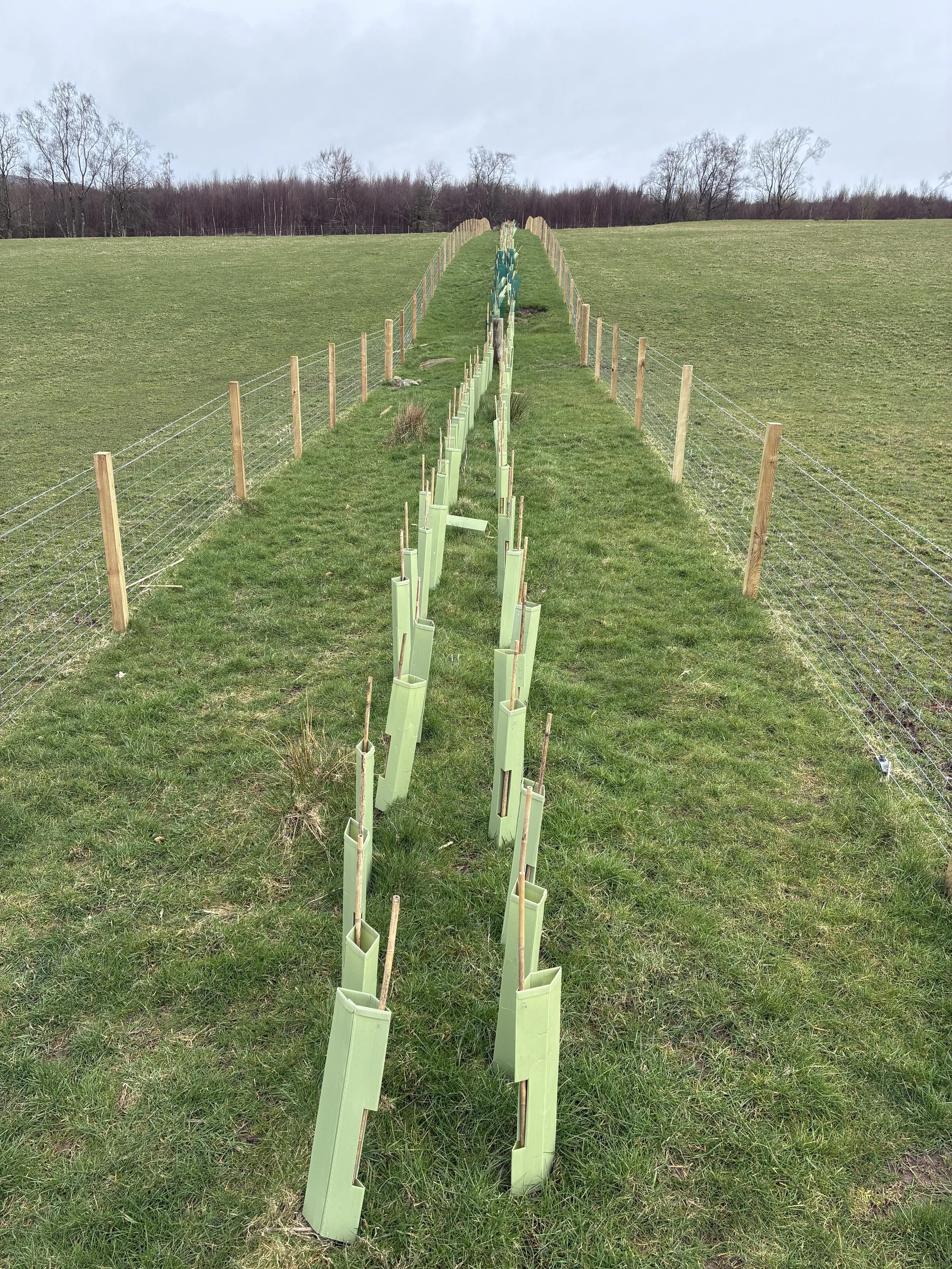
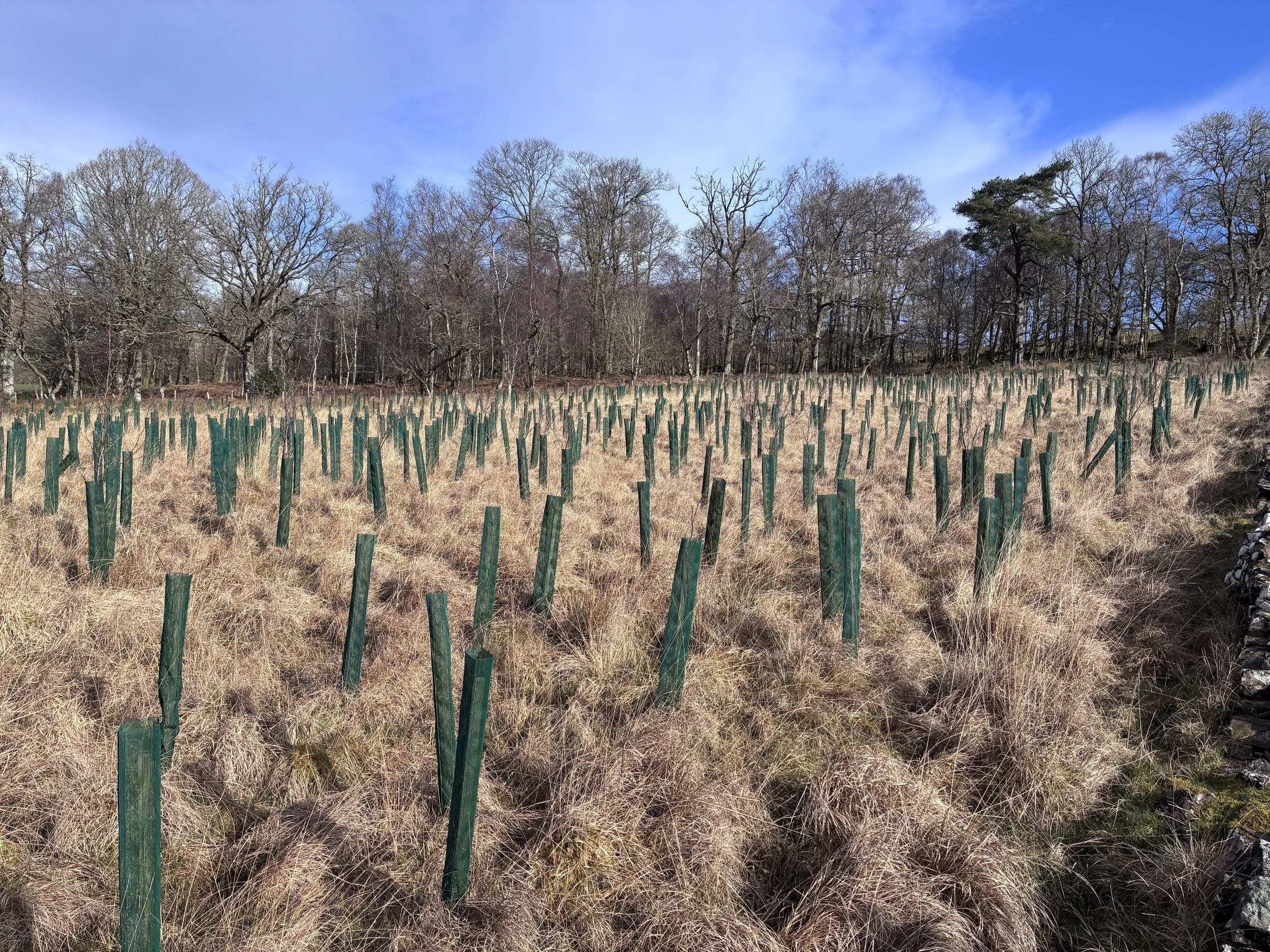
We are establishing new areas of native woodland, including oak, rowan, birch and Scots pine. These species are well suited to the local landscape and will provide valuable habitat and carbon storage for generations to come. In recent years, 5.6 hectares of new native woodlands have been planted and a further 123 hectares have been identified for new woodland creation.
Woodland Management & Restoration
Healthy woodlands require ongoing care. Through thinning, selective planting, habitat management and monitoring, we help ensure our woodlands remain productive, diverse and resilient. Where woodlands have become degraded, we work to restore their ecological value. This can include removing invasive species, planting native trees, improving woodland structure and encouraging the return of ground flora and natural regeneration. Deer management is an integral part of creating healthier woodlands and a combination of on-the-ground and drone population assessments, fencing, and targeted culling helps to ensure that the ecological balance is in favour of improving woodlands and their biodiversity.
Sustainable Timber Production
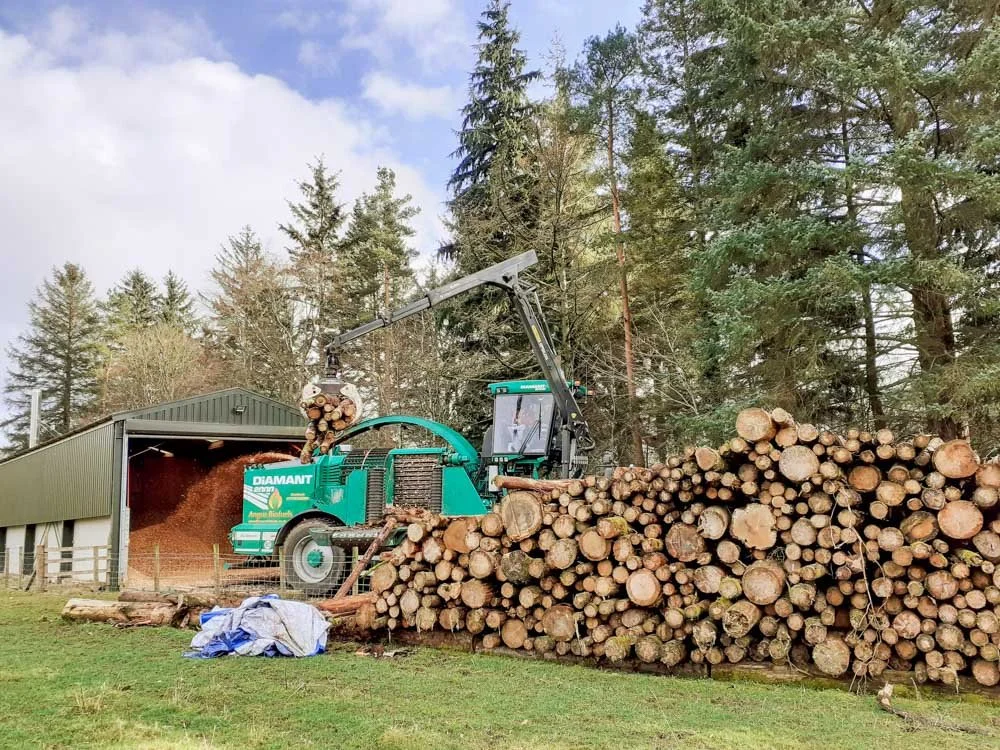
Some woodlands on the Estate are managed for timber production. Through careful planning, sustainable timber harvesting can work alongside conservation objectives, supporting the local economy while maintaining biodiversity, protecting watercourses and enhancing woodland health.
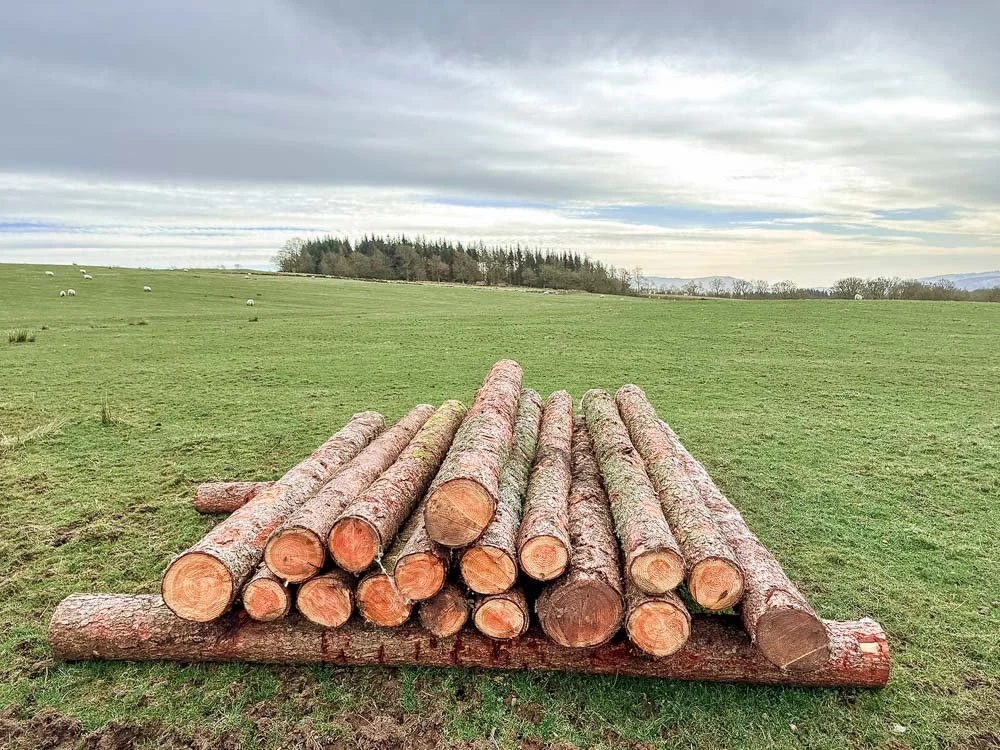
The 130t of mainly softwood timber are harvested annually from woodland management for on-site renewable energy (heat) production. The timber felled on the Estate for this purpose is open-air dried over 2 - 3 years to reach 25% moisture content. This process is reviewed and certified as being meeting BSL sustainable biomass production standards. More marketable logs are sold in rounds to help offset replanting costs.
In partnership with local business Crioch, the Estate is seeking to add value to woodland products through the local production of fire-wood logs and other value-added products. A pilot “coppice and standards” project in Creityhall Wood will evoke historic woodland management practices to explore almost forgotten management techniques and hopefully pioneer new markets.
Ancient Woodland Pasture
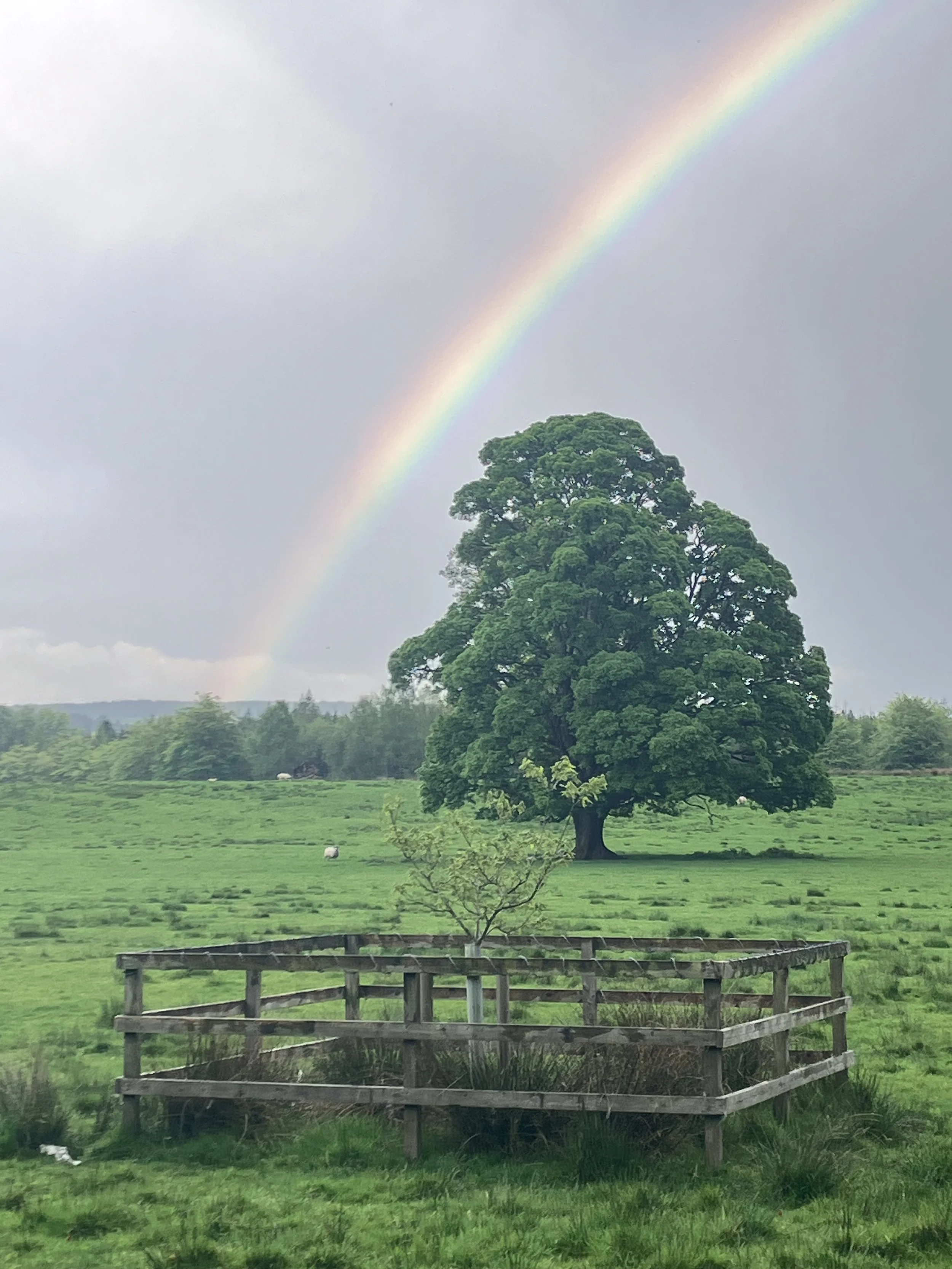
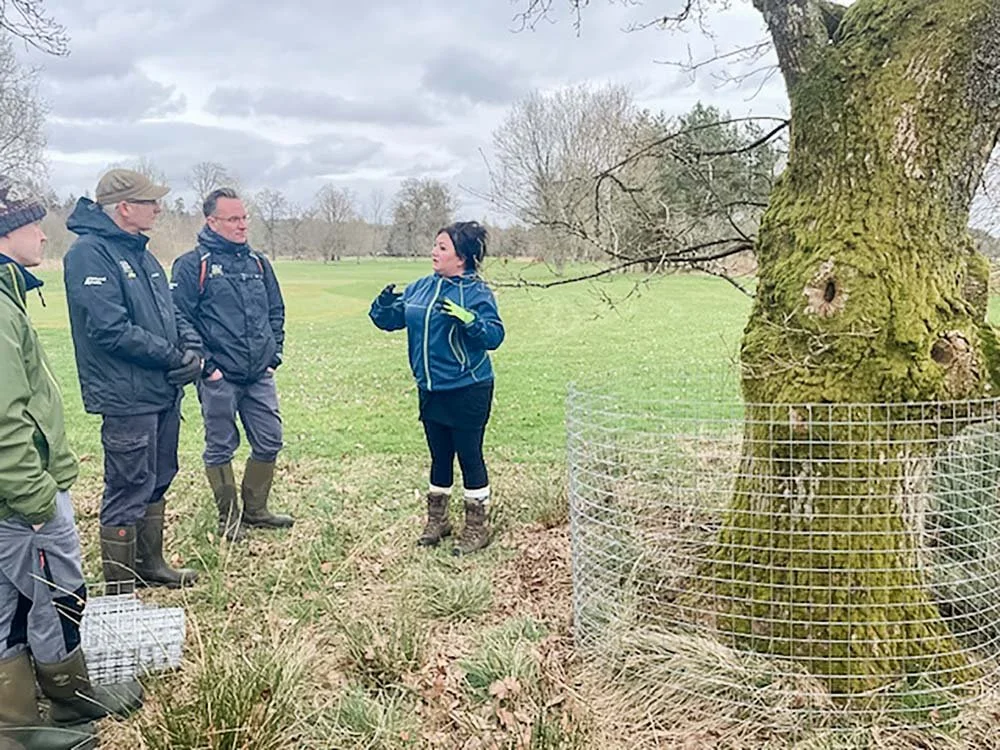
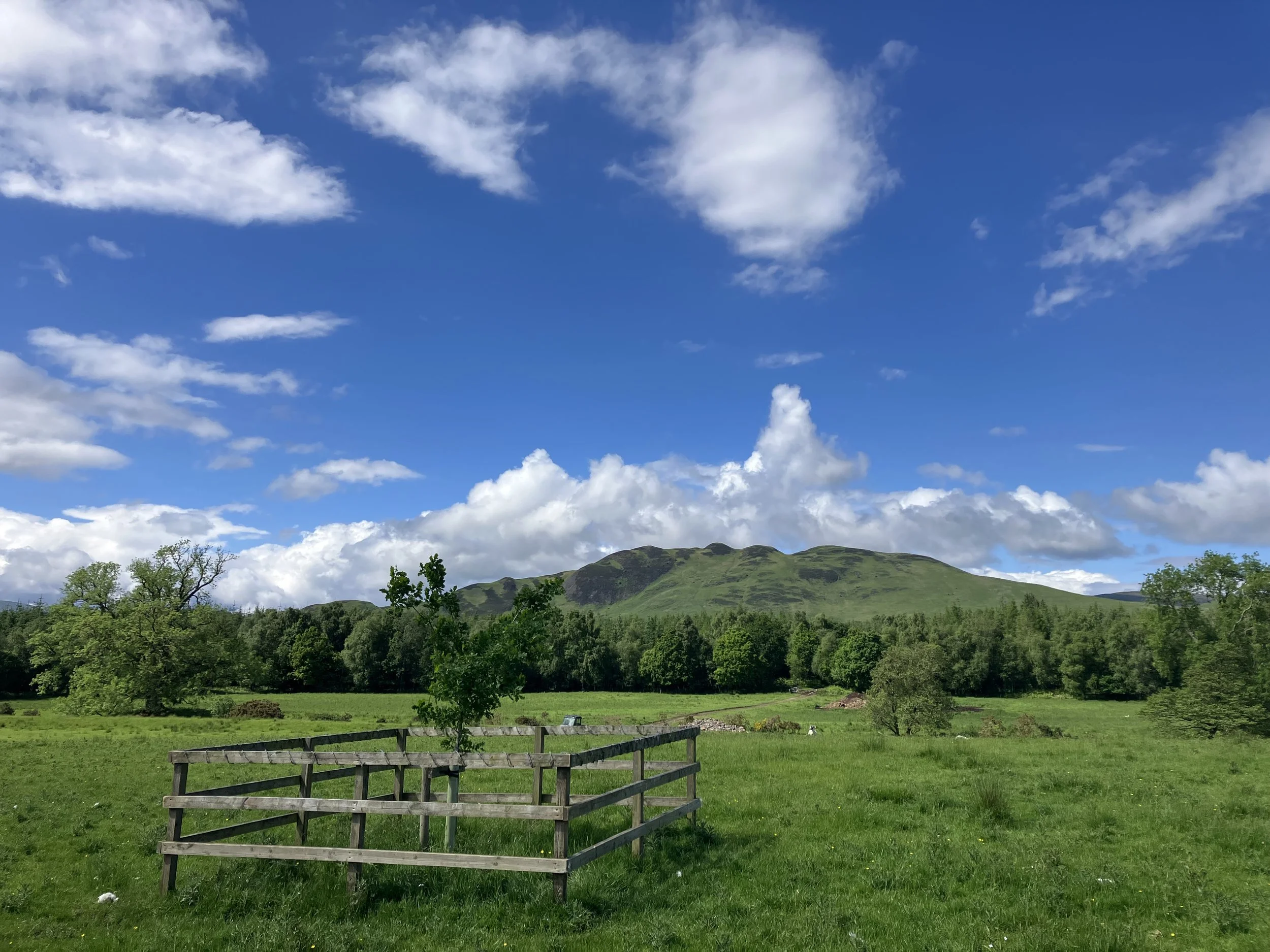
One of the Estate’s most characteristic habitats is ancient woodland pasture. These open parklands contain mature trees, diverse plant communities and specialist wildlife that depend on these rare environments. In the last 10 years the Estate has planted and erected post and rail guards to protect 20 new sessile oak trees in the parklands of the High Mains and adjoining Poultry in order to help maintain and regenerate this valuable habitat.
Hedgerow Creation
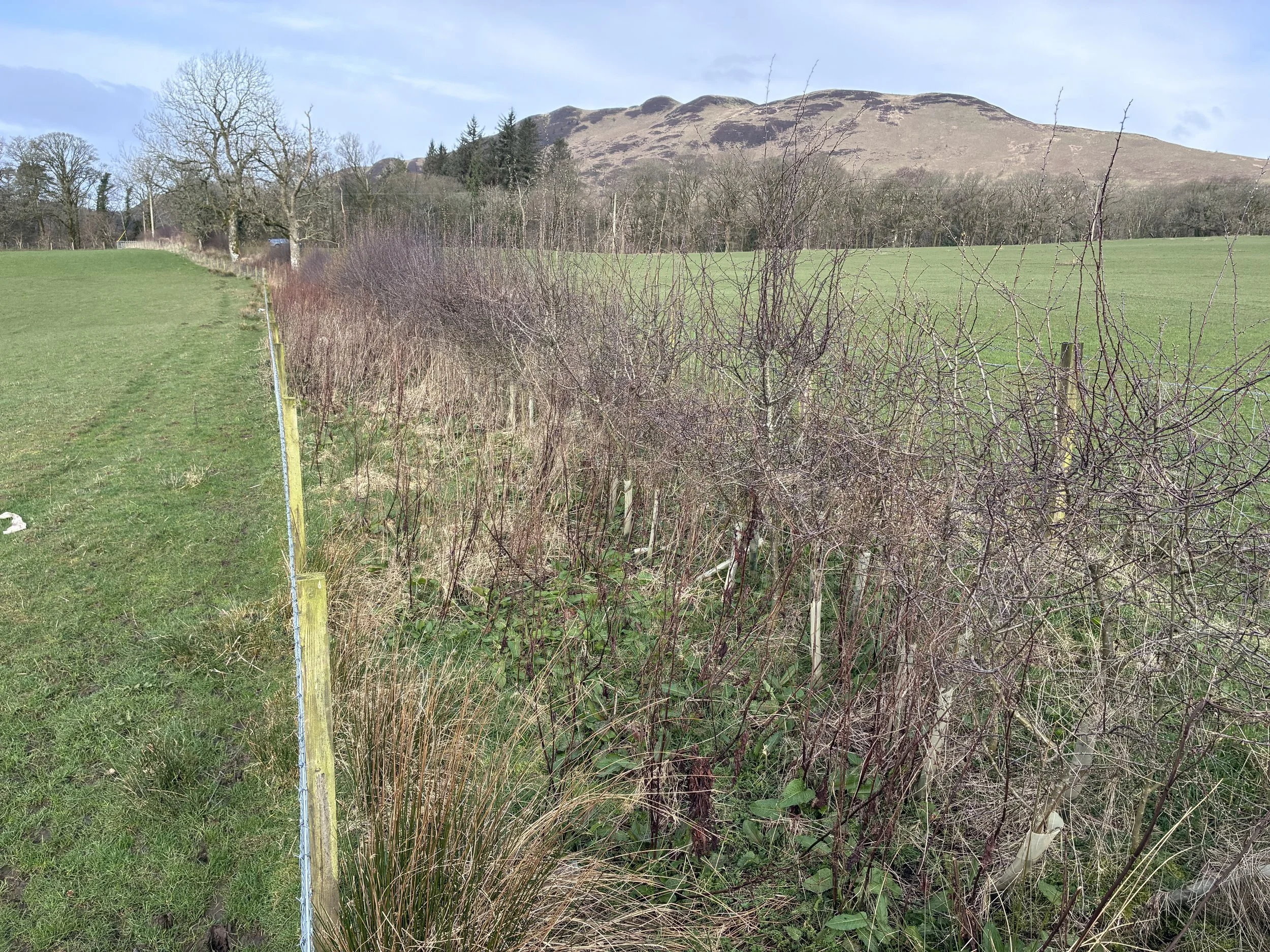
There are 6.8 kilometres of managed hedgerows and over 3 kilometres of escaped hedgerows on woodland borders around the Estate. A further 1.25 kilometres of new hedgerows comprising blackthorn, hawthorn, dog rose and hazel have been planted since 2019, with an additional 1.4 kilometres already identified for future planting. As well as valuable wildlife corridors that connect larger areas of woodland habitat, these natural barriers provide shelter from wind and rain for livestock and enhance the soils that underpin and surround them. The new hedgerows have been funded with support from the Agri-environment Climate Scheme and the Nature Restoration Fund, administered by LLTNP and planted by the Loch Lomond Fisheries Trust.
A Long-Term Investment
Woodland creation is an investment in the future. Trees planted today may take many decades to reach maturity, but the environmental, social and economic benefits they provide will last for generations.
By expanding and caring for our woodlands, we are helping to create a richer, more resilient landscape for wildlife, local communities and future visitors to Montrose Estates.