
Farming for the Future
Farming remains at the heart of Montrose Estates, providing livelihoods for multiple generations and stewarding our productive land. Three separate farming businesses operate across the Estate—two tenanted farms and Gartincaber Farms, which we operate directly in partnership with P & L McNickle—supporting local employment and producing high-quality livestock through sustainable farming systems.
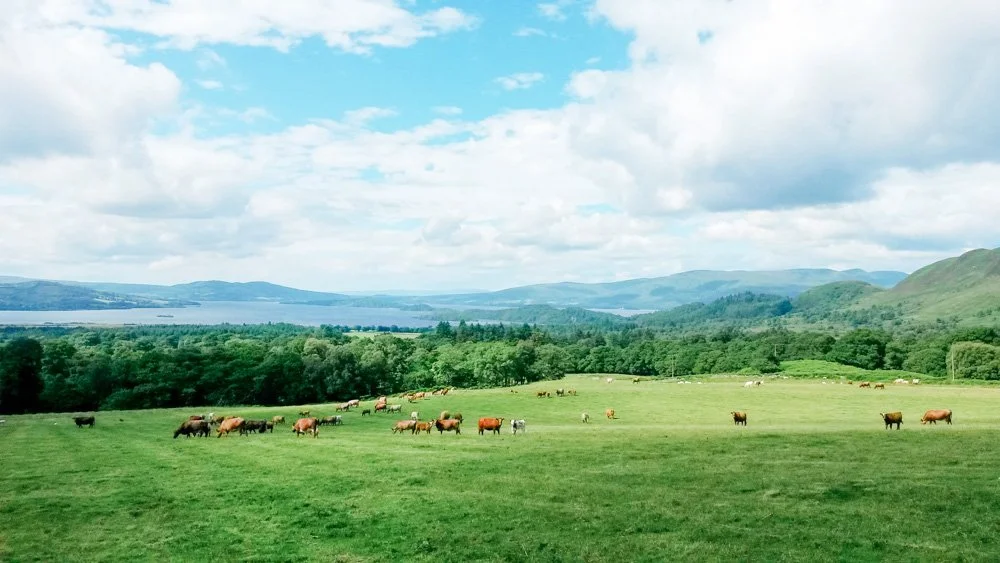
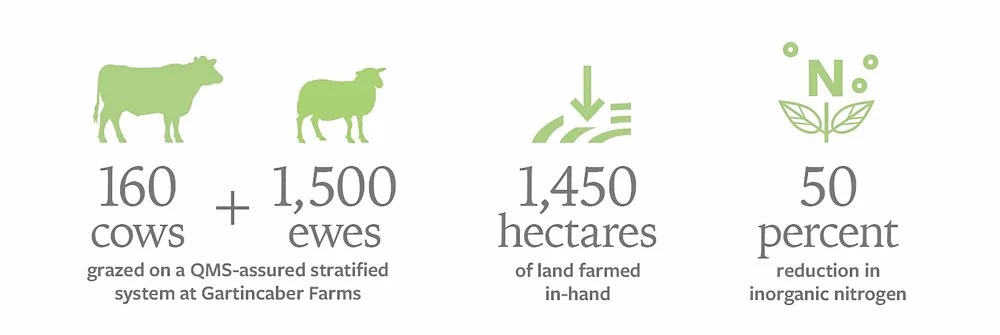
Gartincaber Farms operates across 1,450 hectares, managing approximately 160 cattle and 1,500 breeding ewes through a QMS quality-assured, stratified system. The term "stratified" describes the production system: hardier breeds graze on the more extensive higher ground while more productive breeds graze the better pasture lower on the hillside. This strategy maximises productivity while working with the landscape's natural variations, reducing production costs and improving environmental outcomes.
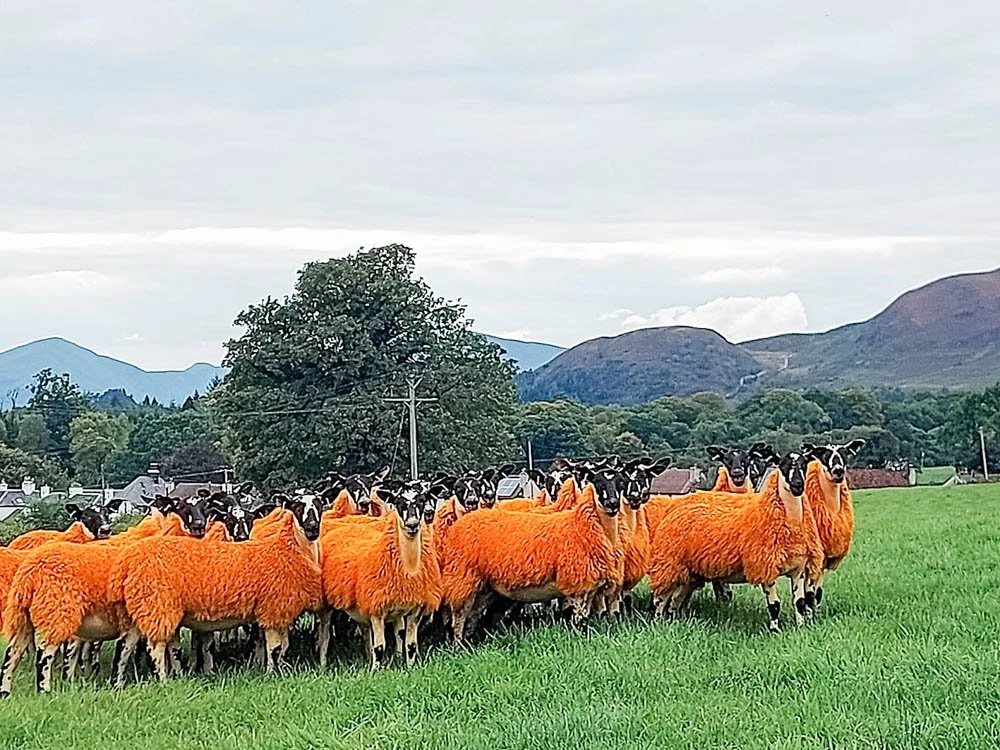
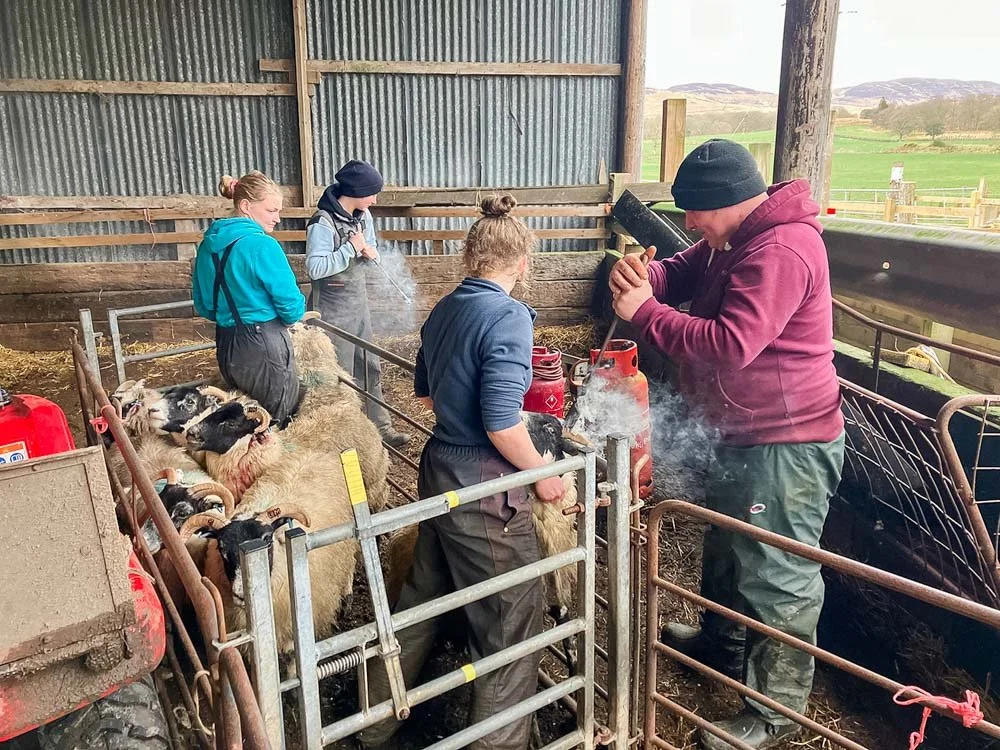
First-cross Highland cattle graze on the hills, producing the breeding stock for the in-bye Simmental-cross herd, with replacements selected for productivity and environmental suitability. The sheep flock breeds are blackface and Scotch mules. We maintain closed flocks for both sheep and cattle, meaning we raise our own replacement animals rather than importing stock from outside. This approach reduces disease risk and allows us to select for animals that thrive in our specific landscape and climate.
-
Environmental Stewardship through Farming
At Montrose Estates, we believe productive farming and environmental stewardship go hand in hand. Through careful land management, we work to reduce our environmental impact while supporting biodiversity, improving water quality and building natural capital.
By combining responsible farming practices with long-term stewardship, we aim to produce quality food while protecting the landscapes and natural resources that make this part of Loch Lomond so special.
-
Soil Health and Carbon
Healthy soil is the foundation of productive farming and long-term carbon storage. Since 2015, we have undertaken regular soil sampling and carbon audits to better understand and improve the condition of our land.
Through reduced cultivation, forage break crops and targeted applications of lime and nutrients based on soil testing, we work to improve soil structure, support soil biology and keep carbon locked in the ground. These measures help build resilience, improve productivity and support a more sustainable future for our farms.
-
Nitrogen Management
We have reduced inorganic nitrogen use by more than 50% through the use of digestate, a nutrient-rich organic fertiliser produced by a local anaerobic digestion facility.
This approach helps lower environmental impact, improve nutrient efficiency and support more sustainable farming across the Estate.
-
Wildlife and Habitat
Through agri-environment schemes, we manage wetlands, protect watercourse margins, create hedgerows and maintain moorland habitats across the Estate.
These measures support biodiversity and provide valuable habitat for birds, pollinators, fish and a wide range of native wildlife.
-
Quality Assurance
Our farming operation is accredited through Quality Meat Scotland, reflecting our commitment to high standards of food production, animal welfare and environmental stewardship. Livestock from the estate are sold through local auction marts, including breeding stock recognised for their quality and performance.
-
The Broader Value of Farming
Farming is at the heart of Montrose Estates, supporting local employment, shaping the landscape and helping sustain rural communities. Alongside producing quality food, our farming operation enables conservation, recreation and responsible land management, demonstrating that productive agriculture and environmental stewardship can successfully work together.